
‘The Himalayas Are Running a Fever’: J&K Warms at Alarming Pace, Warns Study
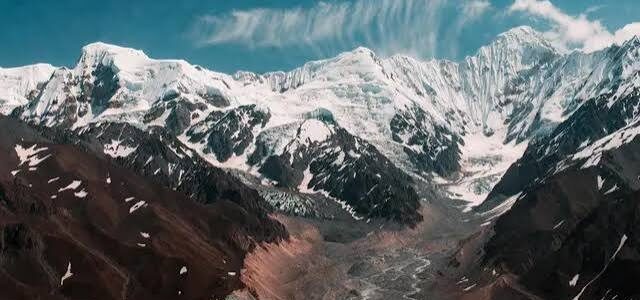
Scientists record nearly 1°C rise in temperature over two decades across the region’s mountain ranges
Glaciers retreat, lakes vanish and extreme weather intensifies as climate change reshapes Kashmir
Srinagar: The rapid melting of the sacred ice lingam at the Amarnath cave shrine, shrinking glaciers, disappearing lakes and increasingly intense heatwaves are no longer isolated environmental events. Together, they reflect a Himalayan region that is warming at an alarming pace.
A new study published in Scientific Reports has found that Jammu and Kashmir has warmed by nearly 1°C over the past two decades, with the sharpest temperature rise recorded across the Pir Panjal and Greater Himalayan ranges. The researchers warn that the pace of warming is significantly higher than the global average for land areas, raising fresh concerns over the future of glaciers, snowfall, water resources and fragile mountain ecosystems.
The findings add scientific weight to what residents across the Valley have been witnessing over the past several years—longer and hotter summers, warmer winters, declining snowfall, erratic rainfall and an increasing frequency of extreme weather events.
This year, the naturally formed ice lingam at the holy Amarnath cave shrine melted by more than 90 per cent within just the first five days of the annual pilgrimage. While the rapid melting of Baba Barfani has sparked debate over the impact of human activity in the ecologically sensitive region, scientists say it is also a visible manifestation of rising temperatures across the Himalayas.
The study points out that the warming trend is evident through multiple indicators, including accelerated glacier retreat, reduced snow cover, rising daytime temperatures and warmer nights.
Among the clearest signs of change is the retreat of the Kolahoi Glacier, often described as Kashmir’s largest glacier and a crucial source of water for the Jhelum basin. The Thajwas Glacier near Sonamarg has also witnessed significant ice loss over recent decades, while several smaller glaciers across the Pir Panjal range continue to shrink.
The changing climate is also transforming Kashmir’s water bodies. A report by the Comptroller and Auditor General (CAG) has already revealed that nearly 600 lakes and wetlands have either shrunk dramatically or disappeared since 1967, highlighting the scale of ecological degradation taking place across the region.
The study warns that rising temperatures could significantly alter snowfall patterns, leading to shorter winters and reduced snow accumulation. Such changes are expected to affect river flows, groundwater recharge, agriculture, horticulture, hydropower generation and drinking water availability for millions of people.
Researchers found that the Pir Panjal and Greater Himalayan mountain ranges are emerging as climate hotspots, where warming has been more pronounced than in other parts of Jammu and Kashmir. These changes are likely to accelerate glacier melt, increase the formation of unstable glacial lakes and heighten the risk of flash floods, landslides and other climate-induced disasters.
The warning comes at a time when Jammu and Kashmir has been witnessing an increasing number of weather extremes. The Valley has experienced record-breaking summer temperatures, while the Jammu region has repeatedly been hit by cloudbursts, flash floods and landslides. In recent days alone, devastating rain-triggered disasters in Rajouri and Poonch claimed several lives and caused extensive damage to homes, roads, bridges and agricultural land.
Scientists say these events underline the growing vulnerability of the western Himalayas to climate change. They stress that conserving glaciers, wetlands and forests, improving climate monitoring, promoting sustainable tourism and strengthening disaster preparedness will be critical to protecting the region’s fragile ecology.
The study concludes that climate change is no longer a distant or future challenge for Jammu and Kashmir. From the rapidly shrinking Amarnath ice lingam and retreating glaciers to disappearing lakes and intensifying weather extremes, the signs are becoming increasingly difficult to ignore, signalling that one of the world’s most sensitive mountain ecosystems is warming faster than ever before.
