
Climate change brings early plum harvest to Kashmir
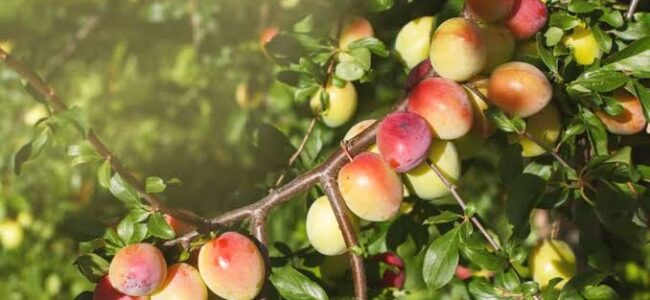
Growers hope for better returns despite weather damage
Pulwama: Climate change continues to reshape horticulture in Kashmir, with plum orchards across the Valley witnessing an unusually early harvest this year. The harvesting season, which traditionally begins in July and extends into August, started in the last week of June as rising temperatures accelerated the ripening of the fruit.
Jammu and Kashmir is among India’s leading plum-producing regions, with the Valley contributing a significant share of the state’s production. According to official figures, the Union Territory produced around 18,962 metric tonnes of plums in 2025. Popular varieties, including Red Plum, Silver Plum, and other local cultivars, are extensively grown and supplied to major fruit markets in Delhi, Punjab, and other parts of the country.
Pulwama district remains one of Kashmir’s key plum-producing belts, where the fruit is cultivated over nearly 1,500 hectares, yielding an annual production of around 9,000 metric tonnes. Hundreds of farming families in the district depend on plum cultivation as an important source of livelihood, with many diversifying from traditional crops such as vegetables and apples.
Horticulture officials describe this year’s crop as generally good, recent hailstorms in several areas adjoining Budgam district and parts of Pulwama caused damage to orchards. Farmers said the hail affected both the quality and quantity of the fruit, which may slightly reduce overall production in the affected pockets.
Despite these setbacks, growers remain optimistic due to strong market demand and encouraging prices. Many farmers have begun storing their produce in Controlled Atmosphere (CA) storage facilities, hoping to sell it later when market prices improve further.
Jahangeer Ahmad, a local farmer said this year’s plum crop has performed well overall and prices are considerably better than in previous years.
“Earlier, we mainly cultivated vegetables and apples, but over the past few years we have also started growing plums. It has proved to be a profitable venture for us,” he said.
The farmer added that he has been cultivating plums for the past four years and is satisfied with the returns. However, he stressed the need for improved cold-chain infrastructure and better transportation facilities to help growers market their produce more efficiently and maximise profits.
Shakeel Rahman, an official of the horticulture department said that plum harvesting is currently in full swing across Pulwama district and the overall crop condition remains encouraging.
“Hailstorms did affect some areas bordering Budgam district, but most orchards across Pulwama remained safe. Farmers in the majority of areas are expecting a good harvest,” he said.
Experts believe changing climatic conditions are increasingly influencing Kashmir’s horticulture sector. While warmer weather has led to earlier fruit maturity in recent years, unpredictable events such as hailstorms and untimely rainfall continue to pose serious challenges for growers, affecting crop quality, productivity, and long-term sustainability.
They emphasised that strengthening weather-resilient farming practices, improving post-harvest infrastructure, and expanding storage and transportation facilities will be essential to safeguard the livelihoods of fruit growers as climate variability continues to impact the region’s horticulture sector.
