
120 Tonnes of Kashmir Strawberries Set to Board Train
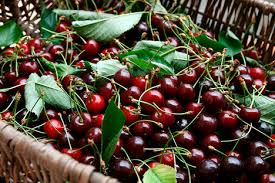
Valley Growers Eye National Markets As First-ever large-scale rail dispatch of early-season fruit promises faster delivery, better returns for farmers
Our Special Correspondent
Srinagar: In a landmark moment for Kashmir’s horticulture sector, the Valley’s first large-scale consignment of seasonal strawberries—estimated at around 120 tonnes—is set to be dispatched by train, marking a shift in how this delicate fruit reaches markets across the country.
The consignment, sourced from key growing belts of the Kashmir Valley, is being readied for transport to major consumption centres including Delhi, Chandigarh, and parts of Punjab.
For decades, strawberry growers in Kashmir have relied almost entirely on road transport, often facing long transit times, unpredictable weather conditions, and heavy spoilage. The introduction of rail-based logistics is now being seen as a transformative step that could significantly cut travel time and preserve fruit quality during transit.
“This is something we have been waiting for years,” said Ghulam Nabi, a progressive farmer from Pulwama, one of the leading strawberry-producing districts. “Our biggest challenge has always been that strawberries are highly perishable. Even a delay of a few hours can affect quality. With the train, we are hopeful that our produce will reach markets fresher, and that directly means better income for us.”
The early-season strawberry crop in Kashmir has shown encouraging signs this year, both in terms of yield and quality. Farmers attribute this to relatively favorable weather conditions during the flowering and fruit-setting stages. With harvesting already underway in several pockets, growers have begun carefully grading, packaging, and preparing their produce for the upcoming dispatch.
In districts like Pulwama and Budgam, where strawberry cultivation has expanded steadily over the past decade, the mood among farmers is one of cautious optimism. Many believe that if the rail dispatch proves successful, it could open up consistent supply chains to distant markets and reduce dependence on middlemen.
Shabir Ahmad, another farmer from Budgam, said the initiative could be a turning point for small growers. “We are packing our fruit in better boxes and maintaining quality because we know it will travel faster. If we get good prices this season, more farmers in our area will shift to strawberry cultivation. It has the potential to become a major cash crop for us,” he said.
Officials associated with the horticulture and agriculture sectors said that the move is part of a broader effort to modernize post-harvest management and strengthen market linkages for perishable produce from the Valley. Special attention has been given to packaging standards, cold-chain support, and timely coordination to ensure the fruit remains fresh throughout the journey.
“Strawberries require a very efficient supply chain. Even minor lapses can lead to losses. The rail network provides a more reliable and time-bound option compared to traditional road transport,” an official said, adding that more consignments are expected to follow as the harvesting season peaks later this month.
Kashmir’s strawberries, known for their rich flavor, aroma, and bright red color, enjoy strong demand in urban markets, especially during the early summer window when supplies from other regions are still limited. This timing advantage gives Valley growers an edge—provided the fruit reaches markets quickly and in prime condition.
As the Valley prepares for this first major rail dispatch of strawberries, the initiative is being widely seen as more than just a logistical upgrade. For hundreds of farmers, it represents a chance to reduce losses, secure better prices, and establish Kashmir’s strawberries as a competitive and reliable product in India’s fruit markets.
