
8,000–10,000 MT of Kashmir Cherries Set to Move by Train This Season
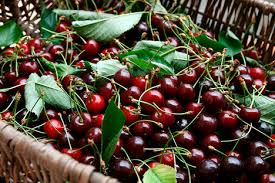
Grower’s upbeat as expanded rail services promise faster delivery, reduced spoilage, and better returns for the Valley’s prized cherries
Our Special Correspondent
Srinagar: As the cherry harvest season approaches in Kashmir, fruit growers across the Valley are pinning high hopes on the railways, with officials and traders estimating a record volume of cherry consignments to be transported to markets across India this year.
The introduction and expansion of dedicated parcel services, coupled with plans for air-conditioned cargo trains, are expected to transform how Kashmir’s delicate cherries reach distant consumers.
According to officials in the horticulture and railway departments, nearly 8,000 to 10,000 metric tonnes of cherries are likely to be shipped out of Kashmir via train this season—marking a significant jump compared to previous years when road transport dominated and rail cargo remained limited.
“We are anticipating a bumper season, both in terms of production and transportation,” said a senior railway official associated with freight operations. “Last year, the response to cherry parcel services was encouraging. This time, with increased frequency and better logistics, we expect volumes to rise sharply.”
Kashmir produces some of the finest varieties of cherries in India, with major cultivation belts in Srinagar, Ganderbal, Shopian, and Baramulla districts. However, due to their highly perishable nature, cherries have traditionally posed a logistical challenge for growers, often forcing them to rely on costly and time-consuming road transport.
Farmers say the expansion of rail services could be a game changer.
“For years, we suffered losses because cherries would get damaged during long road journeys,” said Bashir Ahmad, a cherry grower from Shopian. “If trains run regularly and on time, we can send our produce faster and in better condition. That means better prices for us.”
Another grower from Ganderbal, Shabnam Bano, echoed similar optimism. “We are hearing that parcel trains will run more frequently this season. If that happens, it will reduce our dependence on middlemen and help us directly access bigger markets like Delhi and Mumbai,” she said.
Traders and exporters are equally enthusiastic, noting that railway transport offers both cost efficiency and scalability. “Sending cherries by refrigerated or well-managed parcel trains can cut transportation costs by up to 30 percent,” said a Srinagar-based fruit trader. “More importantly, it reduces wastage, which has been a major concern.”
The Northern Railway is reportedly working on enhancing infrastructure at key loading points, including Katra and other terminals, to handle increased fruit traffic. There are also discussions underway to introduce air-conditioned cargo coaches, which could significantly improve the shelf life of cherries during transit.
Horticulture experts believe that if the logistics chain functions smoothly, Kashmir’s cherry industry could witness a major boost this year. The Valley produces thousands of tonnes of cherries annually, and timely transportation remains the key to unlocking better value for growers.
“Rail connectivity is emerging as a lifeline for our fruit economy,” said an official from the horticulture department. “If we manage to transport even 10,000 metric tonnes efficiently, it will not only stabilize prices but also enhance Kashmir’s reputation in national markets.”
As orchards across the Valley begin to ripen with the season’s first cherries, all eyes are now on the railway network—poised to carry Kashmir’s sweet harvest across the country, faster and fresher than ever before.
