
Railways Eyes AC Cargo Trains to Power Kashmir’s Fruit Economy
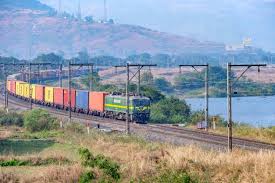
Daily cherry parcel service, cold-chain upgrades on cards as growers push for faster Valley-to-market link
Our Special Correspondent
Srinagar: In a significant push to strengthen Kashmir’s horticulture sector, the Northern Railway is planning to introduce air-conditioned cargo trains and expand its cherry parcel service from Katra to Mumbai to a seven-day schedule, ensuring uninterrupted movement of perishable produce.
The proposals were discussed during a detailed interaction between railway officials and members of the New Kashmir Fruit Association, led by Bashir Ahmad Basheer, who pressed for modern, temperature-controlled logistics to minimise losses and improve market access.
Officials indicated that multiple proposals are under active consideration and could prove transformative for fruit growers and traders in the Valley.
The deliberations followed a joint inspection carried out in a specially arranged single-bogie coach from Srinagar to Baramulla, covering key stations such as Budgam, Pattan and Sopore. Senior officials, led by Principal Chief Commercial Manager Parveen Pandey, assessed infrastructure gaps and engaged directly with stakeholders.
The focus remained on developing efficient cold-chain rail systems for transporting apples, cherries, pears, plums and walnuts, alongside improving inbound supply of essential commodities like onions and potatoes.
Sopore and Baramulla have been identified for bulk loading yards, while phased upgrades are proposed for Anantnag, Awantipora and Pampore. Traders also flagged bottlenecks at Budgam and Srinagar stations, citing delays due to manual security checks and restricted access.
Railway authorities have responded positively to suggestions for modern scanning systems and streamlined handling protocols, indicating willingness to enhance refrigerated cargo services and logistics infrastructure.
The existing cherry parcel service between Katra and Mumbai, currently operating five days a week, is also under review for expansion to a daily schedule.
Kashmir’s horticulture sector, which contributes significantly to the region’s economy, has long relied on road transport to ferry produce to markets across the country.
However, delays, high costs and lack of cold-chain facilities often lead to spoilage and reduced returns. The proposed rail-based refrigerated cargo network is expected to offer a faster, more reliable and cost-effective alternative, potentially transforming how the Valley’s fruit reaches national markets.
