
Spring’s Silent Storm: Pollen Surge Leaves Children Struggling to Breathe Easy
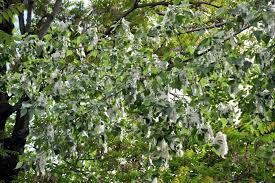
Sneezing fits, sore throats and rising infections mark a harsh season as young immune systems bear the brunt of nature’s bloom
Our Special Correspondent
Srinagar: As spring paints the Valley in shades of green and gold, an invisible storm rides the breeze—pollen. What should have been a season of open playgrounds and laughter has instead turned into weeks of discomfort for many children, as cases of allergies, throat infections and persistent sneezing surge across the region.
In parks and schoolyards, the signs are hard to miss. Children pause mid-play, rubbing itchy eyes or reaching for handkerchiefs as sudden sneezing fits take over. Classrooms echo not just with lessons, but with coughs and throat clearing, as teachers struggle to keep attendance steady amid rising absenteeism.
Doctors say the problem lies in the sheer intensity of pollen in the air this year. “Children are more vulnerable because their immune systems are still developing,” explains a local pediatrician. “We are seeing a sharp rise in allergic rhinitis, throat irritation and even secondary infections.”
Parents, too, are feeling the strain. Many describe restless nights, with children waking up due to blocked noses or scratchy throats. “My son hasn’t slept properly for days,” says a worried mother from uptown Srinagar. “It starts with sneezing and ends with a sore throat and fever.”
The changing climate patterns and extended dry spells have only worsened the situation, allowing pollen to linger longer in the air. Combined with dust and pollution, the seasonal bloom has become a potent trigger for respiratory distress, particularly among school-going children.
Health experts advise simple precautions—limiting outdoor exposure during peak pollen hours, ensuring hydration, and maintaining clean indoor air. Yet, for many families, avoiding the outdoors entirely is not an option.
Amid blooming orchards and swaying poplars, the Valley finds itself in a paradox—nature at its most beautiful, and yet, for its youngest residents, at its most challenging. For now, as the pollen continues to drift unseen through the air, children and parents alike wait for relief, hoping that the same winds that carried this silent irritant will soon carry it away.
