
Drug Crisis Deepens in Kashmir, Over 13.5 Lakh Affected
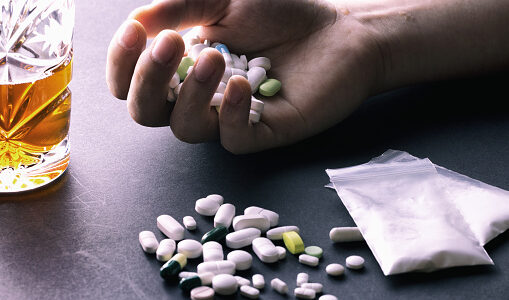
Youth worst hit as heroin surge fuels addiction
100-day war against drugs in full swing
Our Special Correspondent
Srinagar: Kashmir is grappling with a deepening drug crisis, with official estimates indicating that over 13.5 lakh people in Jammu and Kashmir are affected by substance abuse, raising serious concerns about the region’s social and public health landscape.
What has alarmed experts and policymakers alike is the disproportionate impact on the youth. A majority of those affected fall in the 17–35 age group, making addiction not just a health issue but a generational challenge with long-term consequences.
Over the years, the nature of substance abuse in the Valley has undergone a worrying shift. Medical professionals note that dependence on pharmaceutical opioids has increasingly given way to heroin use, which is cheaper, more accessible and significantly more addictive. This transition has accelerated the spread of addiction, with many users slipping quickly into dependency.
Healthcare institutions are witnessing the fallout firsthand. De-addiction centres, particularly in Srinagar, are reporting a steady rise in patients seeking treatment, including a growing number of first-time users as well as relapse cases. Doctors say the crisis is no longer confined to any single section of society, but is affecting students, labourers and even school-going children.
The situation is further compounded by the rising number of minors involved in substance use. Estimates suggest that over one lakh adolescents are engaged in drug use, with many already dependent on opioids—an indicator of how deeply the problem has penetrated communities.
Dr Muhammad Abrar Guroo, a noted psychiatrist at IMHANS Srinagar, said the trend is deeply concerning and requires urgent, sustained intervention. “We are seeing a clear shift towards more potent substances like heroin, and the age of initiation is also coming down. Addiction is not just a medical issue—it is a social and psychological crisis that needs collective action from families, institutions and the government,” he said.
Echoing the urgency, Lieutenant Governor Manoj Sinha has termed drug abuse one of the biggest challenges facing the Union Territory and has launched a 100-day ‘war against drugs’, targeting both addiction and the supply chain of narcotics. He has called for a zero-tolerance approach against drug peddlers, warning of stringent action including property seizure, financial crackdowns and dismantling of networks involved in the trade.
In response, authorities have intensified their efforts on multiple fronts. Law enforcement agencies have stepped up action against drug trafficking networks, while the administration has rolled out widespread awareness campaigns across educational institutions and rural areas to sensitise people about the dangers of substance abuse.
Officials say that thousands of awareness programmes conducted in recent years have helped bring the issue into the open, encouraging more individuals and families to seek help. This shift is reflected in increased reporting and higher footfall at treatment facilities—seen by experts as a positive sign in tackling stigma.
At the same time, the government is strengthening rehabilitation infrastructure by expanding de-addiction centres and improving access to counselling and recovery services. The focus, officials say, is not only on enforcement but also on prevention and long-term rehabilitation.
Despite these measures, experts caution that the crisis requires sustained and coordinated intervention. Factors such as unemployment, psychological stress, peer pressure and exposure to trafficking routes continue to fuel vulnerability among the youth.
As Kashmir confronts this growing challenge, there is an increasing recognition that the battle against drugs is as much about social awareness and community involvement as it is about policing. For many, the fight is no longer just about numbers—it is about reclaiming lives and securing the future of a generation.
