
Eid Feast Turns Costly: Mutton Prices Soar Across Kashmir
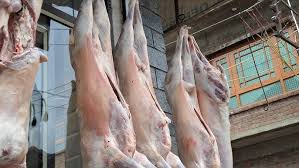
Despite official rate of Rs 700 per kg, meat sold at Rs 750–Rs 800
Residents decry overcharging as festive demand surges
Our Special Correspondent
Srinagar: As Eid-ul-Fitr approaches, mutton prices across Kashmir have shot up sharply, with consumers alleging that butchers are selling meat well above the government-fixed rate.
The administration has fixed the retail price of mutton at Rs 700 per kilogram, but in many markets across Srinagar and other parts of the Valley, residents say it is being sold between Rs 750 and Rs 800 per kg, drawing resentment from customers already grappling with rising living costs.
At several butcher shops in the city, customers said the surge in prices has become a routine phenomenon before major festivals.
“Every year before Eid the same story repeats itself. The official rate is Rs 700, but when we go to buy meat the shopkeepers ask for Rs 750 or even Rs 800,” said Abdul Rashid, a resident of Batamaloo.
Another customer, Shabir Ahmad from Zadibal, said the steep prices make it difficult for large families to buy sufficient meat for Eid celebrations.
“Mutton is an essential part of our Eid meals, but these prices are too high. For a big family, buying even three or four kilograms becomes expensive,” he said.
Rukhsana Begum, a homemaker from Bemina, said many households still feel compelled to buy mutton despite the high prices because it is deeply tied to Kashmiri food traditions.
“Eid without mutton is unimaginable in Kashmir. We prepare dishes like rogan josh, rista and gushtaba for guests. Even if prices rise, people still buy it,” she said.
For Kashmiris, mutton occupies a central place in both everyday cuisine and festive celebrations. Traditional Eid menus often feature a range of meat-based delicacies including rogan josh, daniwal korma, rista, gushtaba and tabak maaz, served to visiting relatives and friends throughout the day.
Kashmir is among the highest mutton-consuming regions in the country. According to trade estimates, the Valley consumes around 25,000 to 30,000 tonnes of mutton annually, reflecting the deep cultural and culinary bond with meat dishes.
During Eid festivities, the demand increases significantly as thousands of sheep are brought into the Valley from different states to meet the surge in consumption.
A mutton trader in Srinagar said the rush for meat usually peaks a day before Eid. “People buy extra meat to prepare traditional dishes and to host guests. The demand rises sharply in the last two days before Eid,” he said.
Residents have urged authorities to intensify market inspections and ensure strict enforcement of the notified rates.
“Authorities should check the markets regularly. If the rate is fixed at Rs 700, then why are we paying Rs 800?” asked Ghulam Nabi, another customer waiting outside a butcher shop.
Despite the complaints over rising prices, long queues outside butcher shops across Kashmir continue to underline one enduring reality of the Valley’s festive culture — Eid celebrations remain incomplete without mutton on the table.
