
Government Plans Major Push for Border Tourism in Kashmir
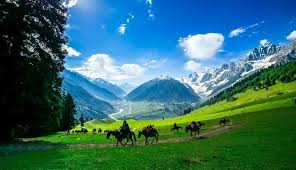
Officials say initiative will showcase unexplored landscapes, culture, and history while boosting local livelihoods
Our Special Correspondent
Srinagar: In a move aimed at diversifying Kashmir’s tourism landscape and bringing remote areas into the mainstream travel map, the government is actively exploring ways to promote border tourism across several scenic locations close to the Line of Control (LoC).
Officials in the tourism department say the initiative is part of a broader effort to encourage visitors to venture beyond traditional destinations and experience the Valley’s lesser-known landscapes, cultural heritage, and unique frontier life.
“Border areas of Kashmir possess extraordinary natural beauty and rich cultural traditions that remain largely unexplored,” a senior tourism official said. “The government is working on a comprehensive plan to promote these regions as niche tourism destinations while ensuring safety and sustainability.”
According to officials, several picturesque villages and valleys situated along the frontier belt—particularly in north Kashmir—offer breathtaking views of mountains, dense forests, and alpine meadows. These regions, which once remained inaccessible due to security concerns, are gradually opening up for controlled tourism activities.
The department believes that promoting such destinations will not only create new travel circuits but also help ease pressure on already crowded tourist hubs like Srinagar, Gulmarg, and Pahalgam.
“Tourism in Kashmir has witnessed unprecedented growth in recent years, and there is a need to distribute this influx across newer destinations,” an official in the tourism department said. “Border tourism will allow visitors to experience the untouched side of the Valley while generating livelihood opportunities for local communities.”
Officials said the proposed initiative could include guided tours to select villages, development of eco-friendly accommodations such as homestays, trekking routes, and cultural interaction programmes that allow tourists to experience the lifestyle and traditions of border residents.
Local communities, they said, will play a central role in the project.
“Our focus is to involve residents of border areas directly in tourism activities. Homestays, local handicrafts, traditional cuisine, and cultural performances can become key attractions,” the official added. “This will not only strengthen rural economies but also foster a sense of pride among locals in showcasing their heritage.”
Tourism experts believe that the concept of border tourism has gained popularity across several parts of India where visitors are drawn to the unique charm of frontier landscapes and the opportunity to witness life along international boundaries.
Officials say infrastructure upgrades, improved road connectivity, and coordination with security agencies will be essential before opening new sites for visitors.
“Safety remains our top priority,” another tourism department official said. “Any border tourism circuit will be developed in close coordination with security forces to ensure that tourist movement remains smooth and secure.”
The initiative is also expected to highlight the resilience and hospitality of communities living in these frontier areas who have long remained away from the spotlight despite their rich traditions and scenic surroundings.
If implemented effectively, officials believe border tourism could emerge as a new pillar of Kashmir’s travel industry, giving visitors a chance to explore pristine landscapes while bringing economic opportunities to some of the Valley’s most remote regions.
“Border tourism has immense potential,” the official said. “With careful planning and community participation, it can open a new chapter in Kashmir’s tourism story.”
