
Wazwan on the Edge : Mutton Crisis Casts Shadow Over Kashmir Weddings
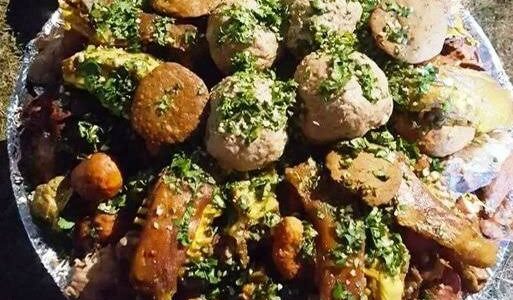
Punjab’s livestock transport tax sends mutton prices soaring during peak marriage season
Dealers warn supply disruptions are hurting traders, Wazas and thousands of families across the Valley
Our Special Correspondent
Srinagar: As Kashmir’s wedding season gathers pace with decorated marriage halls, bustling markets and the aroma of traditional feasts, a deepening mutton crisis is threatening to overshadow celebrations across the Valley.
The sharp rise in mutton prices — triggered largely by the Punjab government’s tax imposition on livestock transportation — has left families struggling to preserve Kashmir’s centuries-old marriage traditions, where Wazwan remains the heart of every wedding celebration.
From Srinagar to Baramulla and Anantnag, anxious customers can be seen at butcher shops, many returning with smaller quantities or empty hands as prices continue to climb. For middle-class families preparing weddings, the crisis has become both an emotional and financial burden.
In Kashmir, a wedding is incomplete without Wazwan — the elaborate multi-course feast featuring delicacies like Rista, Rogan Josh, Goshtaba and Tabak Maaz. But this year, soaring costs are forcing many households to cut guest lists, reduce dishes and rethink wedding budgets.
“We had planned a full traditional Wazwan for our son’s marriage, but now every additional kilogram of mutton feels like a burden,” said a resident of Srinagar. “People here can compromise on many things, but compromising on Wazwan hurts emotionally because it is tied to our culture and respect.”
Mutton dealers say the crisis intensified after new taxes and transport-related charges were imposed in Punjab, a major transit route for livestock entering Jammu and Kashmir. According to traders, transportation costs have risen sharply, directly affecting the supply chain and retail rates in the Valley.
A mutton dealer from Srinagar said the situation has become extremely difficult for traders as well as consumers.
“Transportation charges have increased significantly after the tax imposition in Punjab. Livestock dealers are paying more at multiple points, and naturally the burden reaches the consumer,” he said.
Another dealer from South Kashmir warned that shortages could worsen if the issue is not resolved quickly.
“The marriage season has increased demand, but supply is not matching it. Traders are struggling to bring livestock into the Valley smoothly. If immediate steps are not taken, prices may rise even further,” he said.
Wazas and wedding caterers are also feeling the impact. Many say families are now requesting smaller Wazwan menus or fewer servings in order to control expenses — a rare shift in Kashmir’s rich culinary traditions.
“This is not just a market issue; it affects our customs and livelihood,” said a local Waza. “Thousands of people associated with marriage functions, from cooks to suppliers and transporters, depend on this season.”
Trade bodies and consumers are now urging the Jammu & Kashmir administration to intervene and take up the issue with Punjab authorities to ease transport costs and stabilize prices before the crisis deepens further.
For now, however, Kashmir’s marriage season — usually marked by abundance, celebration and hospitality — is unfolding under the shadow of uncertainty, where the rising price of mutton is threatening not only family budgets, but also the spirit of one of the Valley’s most cherished traditions.
