
Weather Fury: Cloudbursts turn new Himalayan nightmare in J&K
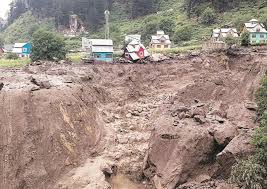
From Kishtwar to Doda, sudden floods and landslides leave trail of destruction across fragile mountain regions
Monsoon period is now the most dangerous phase of the year: Sonam Lotus
Srinagar: What were once considered rare weather events in the fragile Himalayas are now turning into an alarming seasonal pattern across Jammu and Kashmir, with repeated cloudbursts, flash floods and landslides emerging as one of the region’s gravest climate threats.
From the devastating cloudburst tragedies in Kishtwar and Doda to repeated flash floods across the Chenab Valley and upper reaches of Kashmir, the Union Territory has witnessed an unsettling rise in extreme weather incidents over the past few years, leaving behind loss of lives, damaged infrastructure and growing fear among vulnerable mountain communities.
Officials and weather experts say the increasing frequency of sudden intense rainfall events is closely linked to changing climate patterns, erratic monsoon behaviour and rising environmental stress in the ecologically sensitive Himalayan belt.
Renowned meteorologist and Director MeT Ladakh, Sonam Lotus, described the ongoing monsoon phase as the “most dangerous period of the year” for Jammu and Kashmir, warning that cloudbursts and flash floods are becoming increasingly frequent during July, August and mid-September.
“The current monsoon period is the most dangerous phase of the year, often linked with cloudbursts and flash floods,” Lotus had warned during a recent weather advisory. He explained that continuous rainfall for nearly 48 hours saturates the mountainous terrain, significantly increasing the risk of landslides, flash floods and soil erosion.
Lotus said predicting the exact location of a cloudburst remains nearly impossible because such events are extremely localised and sudden in nature. However, he cautioned that vulnerable habitations along riverbanks, flood channels and unstable slopes remain at highest risk.
“Many people have constructed houses along flood channels. When water levels rise, such structures are bound to get washed away. Nature’s course cannot be stopped,” he observed.
The warning comes against the backdrop of multiple deadly incidents reported across Jammu and Kashmir in recent years.
Last year, a massive cloudburst struck Chasoti village in Kishtwar district along the Machail Mata pilgrimage route, triggering devastating flash floods that caused heavy casualties and destruction. Rescue teams, including NDRF, SDRF, Army and police personnel, had to be rushed into the remote mountainous area as communication lines collapsed and access roads were damaged.
Another major cloudburst in Doda district triggered flash floods and landslides, damaging houses and disrupting the strategic Jammu-Srinagar National Highway. Authorities were forced to shut schools and issue emergency advisories in several districts amid fears of further extreme weather activity.
Officials from the Jammu and Kashmir Disaster Management Authority (JKDMA) say preparedness systems are now being strengthened in response to the growing threat. Emergency operation centres, early warning mechanisms and district-level disaster response plans have been activated during weather alerts to minimise casualties and improve response time.
Experts believe the fragile Himalayan ecology is becoming increasingly vulnerable due to climate change, deforestation, unregulated construction and encroachments along water channels.
A study cited by experts earlier had already pointed towards an “incremental rise in the frequency of extreme weather events” across Jammu and Kashmir, including flash floods and cloudbursts.
Environmental observers warn that rapid road expansion, hydropower projects and unchecked construction on unstable slopes are worsening the impact of natural disasters in mountain districts.
For residents living in vulnerable areas, cloudbursts are no longer distant tragedies appearing in news bulletins — they are becoming a recurring reality every monsoon.
As another wet season approaches, authorities are urging people to follow official weather advisories strictly, avoid travel during intense rainfall alerts and remain cautious near streams, rivers and landslide-prone slopes.
In the high mountains of Jammu and Kashmir, where rivers cut through fragile terrain and villages cling to steep hillsides, even a few hours of intense rain can now change lives forever.
