
CS reviews progress of health sector reforms in J&K
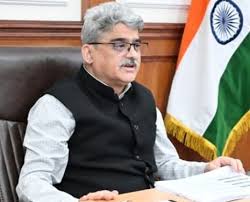
SRINAGAR, JUNE 6: Chief Secretary, Atal Dulloo, today chaired a comprehensive review meeting to assess the progress achieved under the Health Sector Reforms being implemented across Jammu and Kashmir over the past couple of years.
The meeting examined reforms aimed at strengthening tertiary and secondary healthcare services, expanding medical education, enhancing digital health infrastructure and improving access to specialized treatment facilities across the healthcare facilities of the Union Territory.
The meeting besides Commissioner Secretary, Health & Medical Education was attended by Director, SKIMS; MD, NHM; CEO, SHA; Principals of Government Medical Colleges; Director Health, Kashmir/Jammu representatives from AIIMS Jammu, SMVDIME and other senior officers associated with the healthcare sector.
During the review, the Chief Secretary was apprised of the significant strides made in establishing collaborative institutional frameworks among Government Medical Colleges, SKIMS, AIIMS Jammu and other healthcare institutions for strengthening specialty and super-specialty services, capacity building, academic collaboration, research initiatives and digital healthcare delivery.
While reviewing the progress achieved under the health sector reforms programme, the Chief Secretary emphasized that every tertiary care institution in Jammu and Kashmir should strive towards establishing and strengthening critical care, trauma care and emergency medicine services, observing that these areas are among the most significant determinants of quality patient care and healthcare outcomes.
He further directed that the benefits of the reform process should not remain confined to the newly established Government Medical Colleges alone. He called for inclusion of District Hospitals and Sub-District Hospitals, particularly in those areas where no Government Medical College exists, so that healthcare upgradation reaches all regions of the Union Territory in a balanced and equitable manner. He observed that future interventions should be planned according to the strengths, requirements and service potential of each healthcare institution.
