
From PCOS to PMOS: Rethink on Women’s Health Condition
Junaid Abdul Qayyum Shaikh, Solapur
For years, millions of women across the world have heard the term “PCOS” during medical consultations. Many were told it was mainly an ovarian condition linked to irregular periods, weight gain, acne, or fertility issues. But now, the medical world is taking a dramatic new step that could transform how this condition is understood forever.
According to a recent publication in The Lancet dated May 12, 2026, the condition traditionally known as Polycystic Ovarian Syndrome (PCOS) is being officially renamed as PMOS — Poly-endocrine Metabolic Ovarian Syndrome. The decision represents far more than a change in terminology. It reflects a deeper scientific understanding that the disorder affects the entire body, not just the ovaries.
This landmark change is expected to influence medical education, diagnosis, treatment strategies, and public awareness across nearly 195 countries over the next few years.
A Condition That Was Misunderstood for Decades
The story of this condition began in 1935, when American doctors first described a group of symptoms involving irregular menstrual cycles and enlarged ovaries. At that time, it was called Stein-Leventhal Syndrome, named after the physicians who identified it.
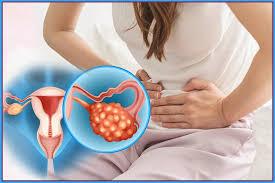
Years later, when ultrasound technology became more common, doctors noticed small pearl-like structures on the ovaries of many patients. These structures were mistakenly believed to be cysts. As a result, the term “Polycystic Ovarian Disease” and later “Polycystic Ovarian Syndrome” became widely accepted.
However, modern research has shown that these were not true cysts at all. Instead, they were immature egg follicles caused by hormonal imbalance. Over time, scientists realized that the name PCOS focused too narrowly on the ovaries while ignoring the larger hormonal and metabolic disturbances happening inside the body.
The new term, PMOS, aims to correct that misunderstanding.
Why the New Name Matters
The word “poly-endocrine” in PMOS highlights the fact that the disorder involves multiple hormone-producing glands and systems in the body. Researchers now recognize that the condition is strongly connected to insulin resistance, abnormal metabolism, inflammation, and hormonal dysfunction.
In simple terms, PMOS is not just a reproductive condition. It is also a metabolic disorder.
Doctors now believe that many patients with the condition may face increased risks of:
Type 2 diabetes
Obesity
High cholesterol
Fatty liver disease
Cardiovascular complications
Hormonal imbalance
Mental health challenges such as anxiety and depression
This broader understanding changes the entire approach to diagnosis and treatment.
Diagnosis Will No Longer Depend Only on Ultrasound
One of the biggest changes under the PMOS framework is how doctors evaluate patients.
Previously, many women were diagnosed mainly through ovarian ultrasound scans and symptoms such as irregular periods. But experts now warn that relying only on ultrasound can miss deeper metabolic problems.
Under the updated approach, physicians are expected to recommend:
Blood sugar testing
HbA1c analysis
Hormonal panels
Insulin resistance assessment
Lipid profile testing
Comprehensive metabolic evaluation
This means that healthcare providers will examine the patient’s overall metabolic health instead of focusing solely on reproductive symptoms.
Understanding the ‘TOFI’ Phenomenon
Perhaps the most eye-opening aspect of the new research is the growing recognition of the TOFI phenomenon — “Thin Outside, Fat Inside.”
Many people assume that hormonal and metabolic disorders only affect individuals who are visibly overweight. But experts now warn that even slim individuals may carry dangerous internal fat deposits and hidden metabolic dysfunction.
A woman may appear physically fit and still suffer from insulin resistance, hormonal imbalance, or metabolic complications associated with PMOS.
This insight is particularly important because many women with normal body weight often remain undiagnosed for years. Their symptoms may be ignored simply because they do not fit the traditional image associated with PCOS.
The TOFI concept challenges long-standing assumptions about body image and health.
A Global Health Challenge
Health experts estimate that millions of women worldwide may be affected by PMOS in some form. Cases have increased significantly across countries including the United States, India, China, and several parts of Europe and the Middle East.
Researchers believe that modern lifestyle changes may be contributing to the rise. Factors frequently discussed include:
Sedentary routines
Processed food consumption
Poor sleep patterns
Chronic stress
Lack of physical activity
Increased screen time
Hormonal disruptors in the environment
At the same time, scientists emphasize that genetics and hormonal predisposition also play a major role.
The condition is therefore likely caused by a combination of biological and lifestyle-related factors.
Beyond Fertility: The Emotional and Social Impact
For many women, the impact of PMOS extends far beyond physical symptoms.
Irregular menstrual cycles, acne, excessive hair growth, weight fluctuations, infertility concerns, and emotional stress can deeply affect confidence and mental well-being. In many societies, women suffering from hormonal disorders often face misunderstanding, stigma, or social pressure.
By renaming the condition and expanding public awareness, medical experts hope to reduce blame and encourage a more compassionate understanding of women’s health.
The shift from PCOS to PMOS may help society recognize that this is not merely a cosmetic or reproductive issue—it is a complex medical condition requiring long-term care and support.
What This Means for the Future of Treatment
The transition to PMOS is expected to influence treatment strategies worldwide.
Instead of focusing mainly on symptom management, doctors may increasingly emphasize:
Lifestyle modification
Nutritional therapy
Exercise and physical activity
Blood sugar control
Hormonal balance
Mental health support
Long-term metabolic monitoring
This more holistic approach may improve both physical and emotional outcomes for patients.
Healthcare systems are also expected to update medical textbooks, awareness campaigns, and professional guidelines over the coming years.
A Wake-Up Call for Public Health
The renaming of PCOS to PMOS is not simply a medical update. It is a reminder that many modern diseases cannot be understood in isolation. The human body functions as an interconnected system where hormones, metabolism, mental health, nutrition, and lifestyle all influence one another.
The PMOS framework encourages both doctors and patients to think more broadly about health.
It also raises an important public health question:
Are rising hormonal disorders primarily caused by hidden metabolic dysfunction, or are modern lifestyles silently reshaping human health in ways we still do not fully understand?
The answer may shape the future of women’s healthcare for decades to come.
Final Reflection
Medical science constantly evolves, and sometimes a simple change in terminology reflects a much larger transformation in understanding. The shift from PCOS to PMOS is one such moment.
For millions of women, this change could lead to earlier diagnosis, better treatment, reduced stigma, and greater awareness about the deep connection between hormones and metabolic health.
More importantly, it sends a powerful message: women’s health deserves to be understood completely—not partially, not superficially, but scientifically, compassionately, and holistically.
(References: The Lancet publication dated May 12, 2026. International endocrinology and metabolic health research updates on hormonal disorders and insulin resistance)
