
Vanishing Mirrors: Kashmir’s Wetlands Slip Into Silence
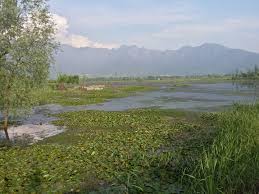
Experts warn of rapid ecological decline as encroachment, climate stress intensify
Officials stress urgent conservation to save biodiversity, livelihoods, and flood buffers
Our Special Correspondent
Srinagar9: At the break of dawn, when the first light gently touches the waters of Hokersar Wetland, a haunting quiet now lingers where thousands of migratory birds once filled the air with life. Across Kashmir, wetlands that once defined the Valley’s ecological richness are shrinking—silently but steadily.
From Hokersar to Mirgund Wetland, these fragile ecosystems are under siege. Encroachment, pollution, unchecked urbanisation, and climate change have combined to erode their expanse and vitality. What were once vast, thriving water bodies are now fragmented, silted, and increasingly unrecognisable.
Environmental experts say the crisis has reached a critical point. “Wetlands are among the most productive ecosystems, but also the most vulnerable. Even minor disturbances can trigger long-term ecological damage,” said a senior researcher from Sher-e-Kashmir University of Agricultural Sciences and Technology (SKUAST-K). He warned that continued human pressure is pushing many wetlands towards irreversible decline.
Officials on the ground acknowledge the alarming trend. A senior officer from the Department of Wildlife Protection said that illegal encroachments and inflow of untreated waste remain major threats.
“We are taking steps to remove encroachments and regulate human activity, but conservation cannot succeed without public participation,” the official noted.
The decline is not just environmental—it is deeply human. For generations, wetlands have sustained local communities, from fisherfolk to vegetable growers who depend on these waters for their livelihoods. As water levels fall and biodiversity declines, that delicate balance is beginning to collapse.
“We have seen a clear drop in the number of migratory birds over the years,” said a wetland conservation official at Hokersar. “Changes in water levels, vegetation, and disturbance are affecting their habitat. If this continues, we may lose some species altogether.”
Experts also caution that shrinking wetlands could have serious consequences for disaster management. These ecosystems act as natural sponges, absorbing excess water during heavy rains and reducing flood risks. Their degradation, they warn, could make the Valley more vulnerable to floods in the future.
Despite the grim scenario, there is still hope. Conservationists believe that with strict enforcement of environmental laws, scientific restoration measures, and active involvement of local communities, wetlands can be revived.
“Restoring wetlands is not just about protecting birds or preserving scenic beauty,” an environmental expert said. “It is about securing our water systems, our livelihoods, and our future.”
As the sun sets over these fading waters, Kashmir’s wetlands stand at a crossroads—caught between neglect and renewal. Whether they continue to disappear or are brought back to life will depend on the choices made today.
