
Neglect turns Pazalpora irrigation canal into dumping ground, farmers cry for help
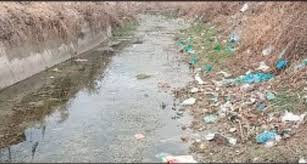
Anantnag: Residents of Pazalpora in Bijbehara have raised alarm over the deteriorating condition of a key irrigation canal, which they say has been reduced to a dumping site due to prolonged neglect by authorities, severely affecting agriculture and public health in the area.
Once a vital source of water for irrigating agricultural fields, the canal is now clogged with heaps of garbage, plastic waste, and accumulated silt, rendering it nearly defunct, locals alleged.
Locals said the worsening condition has disrupted irrigation at a crucial time, leaving farmers anxious about their crops.
“This canal was our lifeline. Today, it is filled with waste and filth. Water barely flows, and our fields are suffering because of it,” said Ghulam Nabi, a local farmer, expressing frustration over the situation.
Residents alleged that despite repeatedly bringing the issue to the notice of the concerned departments, particularly the Irrigation Division Kulgam, no effective steps have been taken on the ground.
They claimed that officials seldom visit the area, allowing the problem to persist unchecked.
“We have submitted applications and even approached officials personally, but nothing has changed. The canal has virtually turned into a dustbin,” said another resident, Abdul Rashid. “If timely action had been taken, this situation could have been avoided.”
Apart from affecting irrigation, the accumulation of waste has also sparked serious environmental and health concerns among locals.
Many fear that stagnant, polluted water could become a breeding ground for diseases, especially with rising temperatures.
“The foul smell and stagnant water are becoming unbearable. It is not just about farming anymore—this is a public health issue,” said a local woman resident, adding that children and elderly people are particularly vulnerable.
The residents have appealed to the district administration and the irrigation department to take urgent cognizance of the issue and initiate a comprehensive clean-up and restoration drive.
They stressed that immediate desilting, waste removal, and proper maintenance are essential to restore the canal’s functionality.
They also called for regular monitoring and accountability to ensure that such neglect does not recur in the future, warning that continued inaction could have long-term consequences for both agriculture and the local environment.
