
Dip in temperature raise fears of damage to Almond, plum blossoms in Pulwama, Budgam
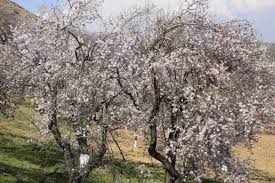
Farmers worry that weather change may affect flowering stage and reduce yield
Pulwama: Rainfall resulting in noticeable drop in temperature across the plains of South and Central Kashmir, particularly in Pulwama and Budgam districts, has triggered fresh concerns among fruit growers about possible damage to almond and plum blossoms.
On Sunday and Monday rainfall has been reported in several low-lying areas of the Valley, while higher reaches witnessed fresh snowfall, bringing a sudden change in weather conditions.
The abrupt dip in temperature during the crucial flowering period has left orchardists worried about the fate of delicate blossoms.
Farmers said that the current weather pattern could adversely impact the pollination process and lead to flower drop, which ultimately affects fruit formation and crop yield.
According to local growers, this year almond trees began blossoming earlier than usual due to relatively warmer conditions during late winter. Traditionally, almond orchards in the region start flowering towards the latter half of March, but this year blossoms appeared as early as February, raising apprehensions about the crop’s vulnerability to sudden weather fluctuations.
“We had noticed the blossoms appearing much earlier this year, which itself was unusual. Now with rainfall and falling temperatures during the flowering stage, we are worried that the blossoms might get damaged,” said Abdul Rashid, a farmer from Pulwama.
He said that almond blossoms are extremely delicate and even light rain or cold winds during this stage can cause them to fall prematurely. “If the flowers drop now, it will directly impact the fruit setting and reduce production,” he added.
Another grower, Ghulam Mohammad from the Budgam area, said that unpredictable weather patterns have increasingly started affecting horticulture in Kashmir.
“Earlier we used to see a more stable pattern of seasons. Now winters are sometimes dry and warm, and spring arrives earlier than expected. These sudden changes make farming very uncertain,” he said.
Growers said that the flowering stage is the most sensitive period for almond and plum trees, as pollination and fruit development depend largely on stable weather conditions. Any prolonged rainfall, frost, or sudden temperature fluctuations during this phase can severely affect the crop.
Pulwama is among the districts where almond cultivation is practiced on a moderate scale, providing an additional source of income to several farming families besides other horticultural crops.
Experts from the horticulture sector said that early blossoming is often linked to warmer winter temperatures and reduced snowfall, both of which have been observed frequently in the Valley in recent years.
A horticulture expert said that rainfall during the flowering stage may hinder pollination and can also lead to fungal infections in blossoms. “If such weather conditions persist for several days, there is a possibility of flower drop and poor fruit set,” the expert said.
He advised orchardists to closely monitor weather updates and ensure proper orchard management to minimize potential damage.
Experts also believe that climate variability is increasingly influencing agricultural and horticultural cycles in Jammu and Kashmir, with crops like almonds, plums, and even apples experiencing shifts in flowering and harvesting patterns.
For now, farmers in Pulwama and Budgam remain hopeful that weather conditions will stabilize in the coming days to safeguard the blossoms.
“We can only hope that the rain stops and temperatures remain stable. If the weather improves soon, the blossoms may survive and we might still get a good crop,” said another farmer.
Growers said that any prolonged spell of rain or a sudden cold wave at this stage could lead to significant losses, affecting both production and the livelihood of families dependent on horticulture.
