
Farmers in South Kashmir seek urgent water release as spray season begins
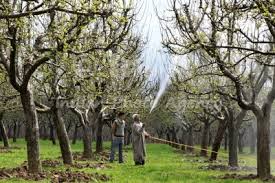
Rising temperatures heighten concerns; orchardists urge irrigation department to ensure timely canal flow
Anantnag: With temperatures steadily rising across the Valley, farmers and orchardists in several areas of South Kashmir’s Anantnag and Pulwama districts have urged the Irrigation Department to immediately release water into canals, warning that any delay could severely impact ongoing agricultural and horticultural activities.
Growers from Bijbehara, Dachnipora, Tral, and Awantipora said that the onset of the spray season—a crucial period for orchards—has made the availability of water indispensable. They stressed that irrigation canals must be charged without delay to support timely spraying and other farm operations.
“We are already witnessing a rise in temperature, and this is the time when orchards require adequate moisture for spraying and early-stage care,” said a fruit grower from Bijbehara.
“If canals are not supplied with water now, it will directly affect the health and productivity of our crops.”
Farmers noted that horticulture forms the backbone of the local economy, particularly in South Kashmir, and any disruption during this sensitive period could lead to significant losses.
They said that water scarcity at the start of the season often results in reduced fruit quality and lower yields.
An orchardist from Dachnipora expressed concern over the recurring delays in water release. “Every year we face the same issue.
Authorities wait too long to release water, even when the need is urgent. Spray season has already begun, and without water, we cannot even begin the essential treatment of our orchards,” he said.
The growers appealed to the Irrigation Department to take immediate measures to ensure adequate water supply across all canals.
They emphasized that timely intervention would not only ease their difficulties but also safeguard the region’s horticulture output.
“We request the concerned department to facilitate farmers and orchardists by ensuring proper and timely release of water into irrigation canals,” said another farmer from Tral. “This is not just about convenience—it is about protecting our livelihoods.”
Locals from Awantipora also said that many irrigation canals remain either dry or partially filled, making it difficult for farmers to carry out routine agricultural practices. They urged higher authorities to monitor the situation closely and ensure that water reaches even the tail-end areas.
The farming community has called for a proactive approach from the department, warning that neglect could have long-term consequences on the region’s agrarian economy.
