
When Rails Became the Road: Srinagar Station Turns Lifeline Amid Snowbound Kashmir
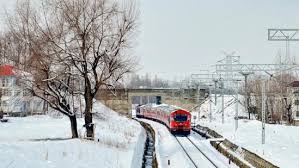
As highways choke under snow, trains carry hope, warmth amid journeys between Srinagar and Katra
Our Special Correspondent
Srinagar: Srinagar railway station on Sunday wore the look of a moving city. Suitcases lined the platforms, tea vendors did brisk business, anxious eyes kept darting towards the electronic boards as tourists and daily commuters alike turned to the railways after road travel across Kashmir was thrown into chaos by relentless snowfall.
For over two days, the Srinagar–Jammu National Highway remained shut, leaving hundreds of vehicles stranded at multiple points and forcing travelers to rethink their plans. Although the highway partially reopened on Sunday, uncertainty still hangs heavy, with fresh snowfall and slippery stretches making road journeys risky. In this frozen pause, the railway line emerged as Kashmir’s most dependable lifeline.
The surge at Srinagar station reflected more than disrupted travel plans—it carried a sense of relief. Families returning home, honeymooners clutching shawls and souvenirs, and backpackers nursing delayed itineraries all found reassurance in the steady promise of steel tracks cutting through snow-laden landscapes.
“We were stuck near Qazigund overnight, with no clarity on when the road would open,” said Rakesh Sharma, a tourist from Delhi. “The train felt like the safest option. Once we reached the station, half our stress disappeared.”
For many first-time visitors, the disruption turned into an unexpected memory. “Honestly, we were worried we might miss our return flight,” said Ananya Gupta, a tourist from Jaipur. “But travelling by train through snow-covered villages and frozen fields is something we’ll remember for a lifetime.”
Another tourist, Meera Iyer from Bengaluru, said the railway journey brought calm amid chaos. “Roads in the mountains can change in minutes. The train feels stable and organised. Sitting by the window and watching the white landscape glide past is magical,” she said.
Foreign tourists, too, joined the rush. “We didn’t expect such heavy snow,” said Thomas Müller from Germany. “But the railway system here has been impressive. Staff were helpful, and the journey feels safe even in extreme weather.”
Sensing the mounting pressure, railway authorities responded swiftly. Officials said a reserved special train has been proposed for January 27 and 28 to accommodate the heavy passenger flow between Katra and Srinagar, particularly tourists and stranded commuters.
Local passengers welcomed the move. “Road closures affect workers, students and patients the most,” said Irfan Ahmad, a Srinagar resident travelling to Jammu. “Extra trains mean fewer people sleeping in buses or waiting endlessly on highways.”
As snow continued to blanket the Valley and the highway struggled back to normalcy, Srinagar railway station stood as a quiet symbol of resilience. In a winter that stalled wheels and shuttered roads, the rails kept moving—carrying not just passengers, but hope, patience, and stories etched against the white silence of Kashmir.
