
Lalpora Tral residents grapple with acute water crisis as Nagbal spring dries up
Locals say tanker service inadequate; demand urgent intervention from authorities
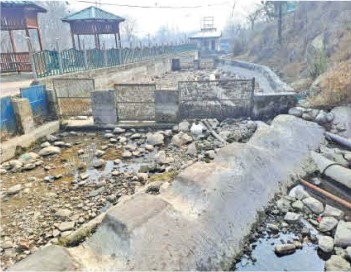
Pulwama: The residents of Lalpora area in Tral in south Kashmir’s Pulwama district are facing an acute water crisis after the drying up of the Nagbal spring, the primary source of drinking water for the locality.
The situation has left hundreds of households struggling to meet their daily water needs, forcing many families to depend on water tankers, which locals say are grossly insufficient.
According to residents, the Nagbal spring has witnessed a sharp decline in water discharge over the past few months and has now almost dried up, plunging the area into distress. Women, children and elderly people are the worst affected, as they are compelled to walk long distances or wait for hours for tanker supply.
“Nagbal spring was our lifeline. For generations, we relied on it for drinking and household use. Now it has dried up completely, and we are left with no alternative,” said a local resident.
The Public Health Engineering (PHE) department has deployed water tankers to mitigate the crisis, but residents allege that the supply is irregular and far from adequate.
“One tanker comes after two or three days, and even that water is not enough for the entire mohalla. How can a single tanker meet the needs of dozens of families?” questioned another resident.
Locals further said that the crisis has worsened this winter , when accessing distant water sources becomes extremely difficult due to freezing temperatures and slippery roads.
“Children are falling sick because of poor water availability. Sometimes we are forced to store water for days, which affects hygiene and health,” said a woman resident, expressing concern over the growing hardships.
The residents have appealed to the district administration and senior officials of the Jal Shakti Department to take immediate and long-term measures to address the problem. They demanded the revival of Nagbal spring, exploration of alternative water sources, and enhancement of tanker services until a permanent solution is put in place.
“We request the higher-ups to intervene personally. This is not a temporary inconvenience but a serious humanitarian issue. We need a sustainable water supply system, not just assurances,” locals demanded.
They warned that if the authorities fail to act promptly, they would be left with no option but to intensify their protest to draw attention to their plight.
