
Carols in the Cold: How Christmas Preparations Warm Kashmir’s Winter Soul
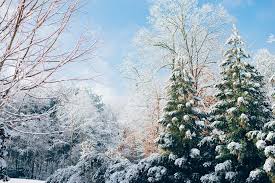
Amid snow-laden mountains and fading daylight, Kashmir to celebrate Christmas in its own quiet way—through craft, community & a shared spirit of warmth
Our Special Correspondent
Srinagar: As winter deepens across Kashmir, the Valley settles into a season of stillness—short days, long nights, and a cold softened only by human warmth. It is in this hush that Christmas arrives on December 25 not with spectacle, but with serenity.
In Kashmir, the festival blends seamlessly into the winter rhythm, marked by glowing shop fronts, handcrafted ornaments, and gestures of goodwill that transcend religious lines.
In the heart of Srinagar, artisans work patiently in dimly lit rooms, their hands moving with practised ease over walnut wood, papier-mâché, and copper. For many of them, December is more than just another winter month—it is a time when their creations find new meaning as gifts of celebration.
“People look for something handmade during Christmas,” says Ghulam Mohammad Dar, a papier-mâché artisan from downtown Srinagar. “They want something with colour and warmth. When our work becomes part of someone’s celebration, it gives us pride—and income during a difficult season.”
Markets such as Polo View, Residency Road and Lal Chowk take on a gentle festive charm. Strings of lights shimmer against snow-dusted pavements, while bakeries fill the air with the rich aroma of plum cakes, breads and pastries. Local ingredients—walnuts, almonds, dried apricots and honey—add a Kashmiri character to Christmas treats, blending global tradition with local taste.
“Christmas here is not loud, but it is heartfelt,” says Sheeba Ahmad, who runs a small bakery in Srinagar.
“Customers come in asking for cakes to share with neighbours and friends. Even those who don’t celebrate Christmas as a festival still celebrate the feeling behind it,” she said.
Churches across the Valley, including the historic All Saints Church in Srinagar, become spaces of quiet reflection. Special prayers and candlelit services bring together members of the Christian community, while visitors from other faiths often stop by to offer greetings. The atmosphere is one of respect, calm, and shared humanity.
For Kashmiri artisans, winter festivals such as Christmas play a vital economic role. With tourism slowing and outdoor work limited by severe cold, seasonal demand provides much-needed relief.
“Winter is our hardest time,” says Abdul Rashid Bhat, a walnut wood carver. “When people buy a handcrafted piece as a Christmas gift, it supports not just one artisan but an entire family.”
Beyond markets and prayers, Christmas in Kashmir reflects the Valley’s long-standing tradition of coexistence. Schools organise small celebrations, neighbours exchange sweets, and children—bundled in woollens—pause at decorated shop windows, eyes wide with wonder.
Christmas in Kashmir remains understated yet deeply meaningful. It is a festival woven not only with faith, but with craft, compassion, and community—proof that even in the coldest of seasons, warmth can still be found, made, and shared.
