
‘From Extinction to Export’: Kashmir’s Mushkbudji Rice Set for Global Markets
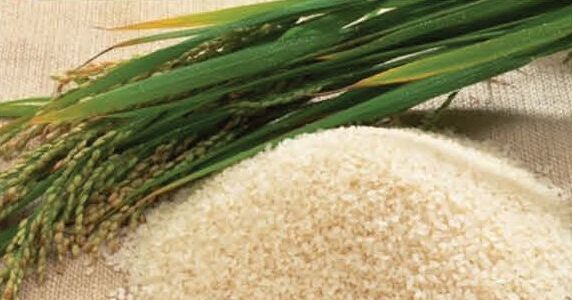
Once on the verge of disappearing, the aromatic variety wins praise at international rice exporters meet
Srinagar: Kashmir’s famed Mushkbudji rice, which was once feared to be on the brink of extinction, is now headed for international markets after receiving exceptional praise from global buyers.
The breakthrough was confirmed by Vice Chancellor SKUAST-K, Professor Nazir Ahmad Ganai, during an interaction with the media at the university’s auditorium.
Prof. Ganai said a team of experts from SKUAST-K recently attended international rice exporters meet where Mushkbudji drew strong appreciation for its aroma, grain quality and culinary value. “Experts praised Mushkbudji and offered very good rates. We are now set to export this unique variety to foreign countries,” he said.
Mushkbudji has a long and cherished history in Kashmir. Traditionally cultivated in pockets of Anantnag — especially Sagam, Panzgam and neighbouring villages — the short-grain variety was once a staple of Kashmiri celebrations. Its natural fragrance, soft cooked texture and rich taste made it a prized component of wedding feasts and Wazwaan menus. For generations, families preserved the seed with great care, passing it down like a heritage asset.
However, the variety began to decline sharply in the 1980s due to its vulnerability to diseases such as blast, as well as farmers shifting to high-yield hybrid and common paddy varieties. By the early 2000s, Mushkbudji had nearly disappeared from Kashmir’s fields, surviving only in a few households that continued to grow it in small patches for traditional use.
Its revival began when SKUAST-K scientists launched a conservation and improvement programme, working with local farmers to restore the crop while improving its disease resistance. Over the past decade, the variety slowly returned to cultivation through cluster-based farming and seed multiplication initiatives. Its unique aroma and market value pushed demand sharply upward, and it now sells for Rs 25,000 per quintal, one of the highest-priced rice varieties in the region.
Prof. Ganai said that the export push is both an economic milestone and an emotional one for Kashmir. “This is not just about trade; this is about protecting our heritage crop and ensuring farmers get the income they deserve,” he said.
With global buyers showing renewed interest, Mushkbudji is now ready to travel far beyond the fields of Anantnag — marking a remarkable journey from near extinction to a place on international shelves.
