
Can J&K Bridge Its Power Deficit Amid a Dry Spell?
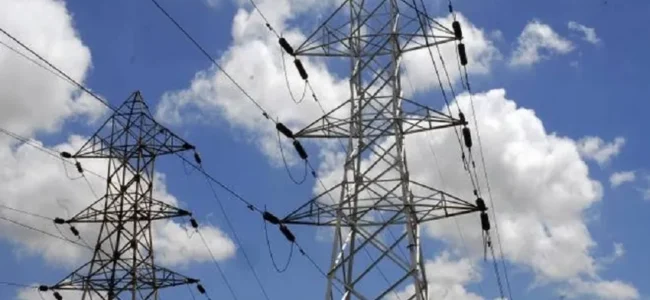
Reduced snowfall and declining hydropower generation put the JK’s winter energy supply under strain
Our Special Correspondent
Srinagar: As Jammu and Kashmir braces for the harsh winter months, the region faces a critical test of its energy infrastructure. Persistent dry conditions, lower snowfall, and dwindling water inflows have severely curtailed hydropower output, raising concerns about meeting the rising electricity demand.
Hydropower, long the backbone of J&K’s energy supply, is expected to see a sharp decline this winter. Officials from the Power Development Department indicate that local generation could drop by nearly 90% compared to normal winter levels.
With rivers and reservoirs running low, the Union Territory increasingly relies on thermal and solar energy sourced from outside, with estimates suggesting that 85–90% of winter power may come from external supplies. This growing dependence highlights systemic vulnerabilities in the region’s energy management.
Colder temperatures have already pushed electricity demand in Kashmir up by nearly 200 megawatts in recent weeks. The Kashmir Power Distribution Corporation Limited has warned that the upcoming Chillai Kalan cold spell could further strain the system, increasing the risk of outages if contingency measures prove insufficient.
While the administration is taking steps to bolster energy security, including plans to double hydropower capacity and improve transmission networks, only about 23.81% of the region’s hydropower potential has been harnessed so far, reflecting longstanding infrastructural and administrative challenges.
Experts also point to the role of climate change, noting that the ongoing dry spell may be indicative of broader environmental shifts affecting water availability. Reduced snowfall and river flows not only limit hydropower generation but also threaten agriculture, drinking water, and overall economic activity, creating a multidimensional challenge for policymakers.
As winter sets in, authorities are optimistic about supplemental power imports and grid management strategies, but residents may still face intermittent shortages. The situation underscores the urgent need for long-term investment in sustainable and climate-resilient energy infrastructure to reduce dependence on external sources and safeguard the region against future power shortfalls.
