
Power Demand Soars in Kashmir as Early Winter Tightens Grip
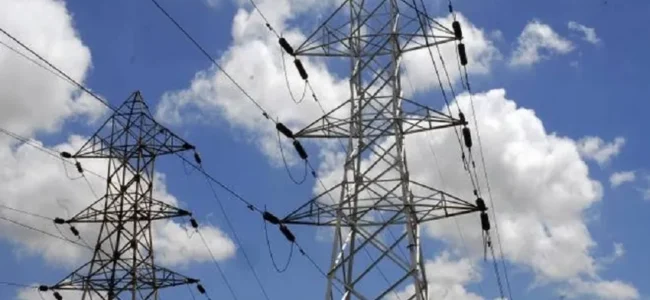
Officials struggle to balance load as temperatures plummet weeks ahead of schedule
By: Our Special Correspondent
Srinagar: The early onset of winter has sent power demand in Kashmir soaring, with the Valley witnessing a massive 250 MW rise in electricity consumption over the past two weeks. The unexpected cold wave in October — marked by subnormal temperatures and light snowfall in upper reaches — has pushed the power supply system to its limits well before the usual winter peak.
Officials from the Power Development Department (PDD) confirmed that power usage has risen sharply as residents increasingly rely on electric heating gadgets.
“This year, winter has arrived far earlier than expected. The demand has shot up by nearly 250 MW, which is unusual for mid-October,” said Chief Engineer (Distribution) Kashmir, Javed Ahmad.
“People have already started using heating appliances, leading to high load especially during mornings and evenings,” he added.
The Valley’s overall power demand has touched around 1,750 MW, up from an average of 1,500 MW during the same period last year. The PDD has begun implementing load management schedules to prevent transformer damage and maintain grid stability.
“We are taking preventive steps to ensure the system remains stable. Power purchases from the northern grid are being considered to meet the additional requirement,” Ahmad added.
The early chill has also taken meteorologists by surprise. According to the Meteorological Department, Srinagar and surrounding districts have been recording temperatures 3–5°C below normal since the beginning of October.
“A combination of clear skies and early snowfall in higher reaches such as Gulmarg, Sonamarg and Zojila has led to faster cooling,” said Dr Mukhtar Ahmad, Director, MeT Kashmir.
“This pattern is consistent with the broader climate shift we’ve been observing — where winter conditions begin earlier and persist longer,” he added.
Environmental experts say the phenomenon reflects climate variability in the Himalayan region.
“Over the last two decades, the frequency of early cold spells in Kashmir has increased by nearly 30 percent,” said Dr Shahid Rasool, an environmental scientist at the University of Kashmir.
“Changes in jet stream behaviour and local land-use patterns are influencing temperature drops and precipitation timing. These shifts are now directly impacting power consumption trends,” he said.
For ordinary residents, the cold has translated into increased dependence on electric blankets, room heaters, and geysers — appliances notorious for drawing heavy power load.
“It feels like December already,” said Shazia Begum, a resident of Srinagar’s Bemina area.
“We had to take out our heating equipment much earlier this year, and voltage fluctuations are frequent,” she said.
The PDD has urged consumers to use electricity judiciously, warning that excessive use of high-load appliances could cause frequent tripping and transformer burnout.
“We request the public to cooperate during peak hours so that uninterrupted power can be maintained across all districts,” a department spokesperson said.
Meanwhile, the traditional heating market in Kashmir has sprung to life earlier than usual. Demand for kangris, charcoal, and firewood has surged across local markets as many households brace for a longer and harsher winter.
With meteorological predictions indicating further temperature drops in the coming weeks, power engineers anticipate an even steeper rise in consumption.
“If the trend continues, the Valley’s demand could cross 2,000 MW by November — nearly touching the December peak,” said another senior PDD official.
As Kashmir shivers under an early frost, the administration faces the dual challenge of balancing power supply and preparing for what could be one of the region’s longest winters in recent times.
