
Srinagar Chokes as Toxic Smog Tightens Grip on the Valley
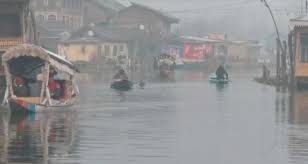
Poor AQI, prolonged dry spell trap pollutants as air quality slips into hazardous zone across Kashmir
Our Special Correspondent
Srinagar: Srinagar woke up under a blanket of toxic air on Saturday as pollution levels spiked sharply, pushing the city and large parts of Jammu and Kashmir into a serious public health concern. Even traditionally cleaner neighbourhoods such as Rajbagh slipped into the hazardous category, with the Air Quality Index (AQI) touching 314, while several pollution-prone pockets were suspected to have crossed the alarming 500 mark, indicating extremely severe pollution levels.
The deteriorating air has left the Valley gasping. Residents across Srinagar reported throat irritation, burning eyes, breathlessness and reduced visibility, particularly during early morning and late evening hours. Comparable air quality levels are being observed across other parts of Jammu and Kashmir, pointing to a wider regional crisis.
Seventy-year-old Ghulam Mohammad, a resident of downtown Srinagar, said the situation has become increasingly difficult for the elderly. “We used to step out for morning walks, but now even a short walk makes breathing difficult. The air feels heavy and suffocating,” he said.
Independent weatherman Faizan Arif attributed the worsening air quality to a prolonged dry spell across Srinagar and the rest of Kashmir. “There has been no significant rainfall for weeks. The persistent dry weather has allowed dust and pollutants to accumulate in the lower atmosphere, leading to a sharp spike in AQI levels,” he said.
Doctors have cautioned that prolonged exposure to such polluted air can have serious health consequences. Dr Shahid Yousuf, a pulmonologist at a Srinagar-based hospital, said medical facilities are witnessing a steady rise in respiratory complaints.
“We are seeing more patients with cough, wheezing, chest tightness and aggravated asthma. When AQI enters the hazardous range, even short exposure can trigger health issues, especially among children, the elderly and those with pre-existing conditions,” he said.
Experts warn that unless weather conditions change, particularly with rainfall or strong winds, air quality is unlikely to improve in the immediate future. As Srinagar continues to breathe toxic air, the unfolding situation highlights the growing environmental challenges confronting the Valley and the urgent need for preventive and long-term corrective measures.
