
No Longer an Exception: Climate Change Reshapes Seasons, Water and Life in Kashmir
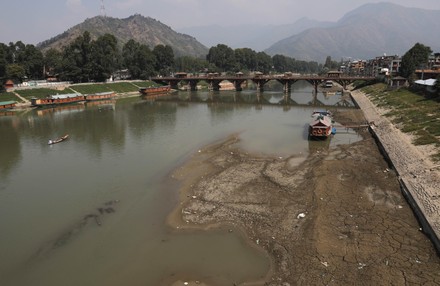
From shrinking snowfall and retreating glaciers to rising temperatures, the Valley faces a fast-changing climate reality
Our Special Correspondent
Srinagar: Climate change in Kashmir is no longer an occasional anomaly but a steady and visible transformation reshaping seasons, water systems and everyday life across the Valley.
The familiar rhythm of harsh winters, sustained snowfall and mild summers is giving way to warmer temperatures, erratic precipitation and extreme weather events, signalling a deepening climate crisis in the fragile Himalayan region.
Scientific observations indicate that average temperatures in the Kashmir Valley have risen by close to one degree Celsius over the past four decades, with winters warming at a faster pace.
Snowfall, once the backbone of the Valley’s water security, has declined sharply, while rainfall has become increasingly irregular. Several recent winters have recorded precipitation deficits ranging between 60 and 80 per cent during key months, triggering dry spells even in traditionally wet seasons.
The impact is most visible in Kashmir’s glaciers, which act as natural reservoirs feeding rivers, springs and streams. Studies show that major glaciers, including Kolahoi, have lost more than 20 per cent of their area in recent decades.
“Glaciers in Kashmir are retreating rapidly due to rising temperatures and reduced snow accumulation,” says climate expert Prof. Shakil Ahmad Romshoo.
“This poses a serious threat to long-term water availability and increases the risk of both floods and droughts.”
Changing weather patterns are also intensifying extreme events. Heatwaves, cloudbursts and short-duration heavy rainfall episodes are becoming more frequent, often causing flash floods, landslides and damage to infrastructure. According to meteorologists, reduced snow cover and early snowmelt are altering river flows, leading to excess water in spring and shortages during summer.
The consequences extend beyond the environment. Agriculture and horticulture, the backbone of Kashmir’s economy, are under stress as crops like apples and saffron struggle with shifting temperature ranges and unreliable moisture.
Springs and wetlands are drying up, affecting drinking water supplies and biodiversity.
“We are witnessing a clear shift in climate behaviour,” an official from the Meteorological Department said. “These changes are consistent and long-term, not isolated events.”
As the Valley grapples with these transformations, experts stress the urgency of climate-resilient planning, sustainable land use and protection of water resources. For Kashmir, the message is clear: climate change is no longer an exception but a defining challenge shaping its present and future.
