
Snowfall Deficit Deepens Worries Across Kashmir
Nearly 40% precipitation shortfall during peak winter raises alarms over water supply, farming & climate change
Our Special Correspondent
Srinagar: Kashmir is witnessing an unusually dry winter this season, with a sharp decline in snowfall across the Valley, raising serious concerns about water availability, agriculture and the region’s fragile environment.
Official data shows that Kashmir has recorded around 40 percent below-normal precipitation, making this one of the most snow-deficient winters in recent years.
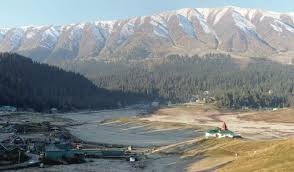
Even during Chillai Kalan, the harshest phase of winter known for heavy snowfall, most areas of the Valley have seen prolonged dry spells and clear skies. Snowfall in higher reaches has been brief and scattered, while plains, including Srinagar, have remained largely snowless.
Officials from the Jammu and Kashmir Meteorological Department said the shortfall is mainly due to weak and infrequent Western Disturbances, the weather systems that bring winter rain and snow to the region.
“Winter precipitation has remained well below normal so far, which is a cause for concern,” a senior MeT official said.
The snowfall deficit has triggered worry among water management authorities. “Snow acts as a natural water reserve. Less snow now means reduced water flow in rivers and springs during summer,” an official from the Jal Shakti Department said, adding that drinking water supply and irrigation could come under stress in the coming months.
Farmers and orchardists say the dry winter is already worrying them. “Snow protects the roots of fruit trees and keeps moisture in the soil,” said Abdul Rashid, an apple grower from Shopian. “Without proper snowfall, pests survive and the impact will be seen on crops in spring.”
Tourism stakeholders are also feeling the impact. Winter destinations such as Gulmarg, Pahalgam and Sonamarg have received far less snow than usual, affecting winter sports and tourist footfall.
“Our livelihoods depend on snow. A dry winter means losses for many families,” said a hotelier from Gulmarg.
Environmental experts warn that repeated snow-deficit winters point to changing climate patterns in the Himalayan region. “Less snow leads to drying springs, falling groundwater levels and increases the risk of extreme weather,” an environmental expert said.
As winter moves ahead with little snowfall in sight, the bare mountains of Kashmir stand as a clear reminder that the Valley’s once predictable winters are changing — with consequences that may be felt long after the season ends.
