
Winter Sun, Hidden Risks: When Kashmir’s Rays Do More Harm Than Good
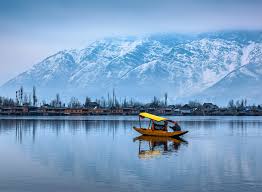
Doctors, global studies warn that deceptive winter sunshine during Chilla-e-Kalaan may aggravate skin, eye, respiratory problems
Our Special Correspondent
Srinagar: During Chilla-e-Kalaan, Kashmir’s harshest 40-day winter spell, the appearance of sunshine is greeted with relief across the Valley. Rooftops, courtyards and roadsides fill with people seeking warmth from the pale winter sun. Yet doctors caution that this seasonal comfort comes with hidden health risks, and that winter sunlight in Kashmir is not always as beneficial as commonly believed.
Medical professionals say the low angle of the sun during peak winter, combined with extreme cold, dry air and frequent temperature inversions, creates a misleading sense of safety.
“People assume winter sun is harmless, but ultraviolet radiation is still present,” said a senior dermatologist at a Srinagar hospital. “Prolonged exposure can worsen dry skin, pigmentation and eczema, especially when the skin barrier is already weakened by cold weather and indoor heating.”
International research supports these concerns. According to the World Health Organization, ultraviolet radiation contributes to more than 1.5 million new cases of skin cancer globally every year, and UV exposure is also a major cause of eye damage worldwide.
Studies from colder and high-latitude regions show that snow can reflect up to 80–90 percent of UV radiation, increasing exposure to the eyes and skin even when temperatures remain below freezing.
Ophthalmologists in Kashmir report a rise in winter complaints such as eye irritation, excessive tearing and photokeratitis. Snow glare, experts say, intensifies UV exposure to the eyes, while the widespread belief that sunglasses are unnecessary in winter leaves many unprotected. International weather and health agencies, including the UK Met Office, warn that UV exposure can be significant in snowy conditions despite low temperatures.
Respiratory specialists add that winter sunshine coincides with another seasonal danger. During Chilla-e-Kalaan, cold air traps pollutants close to the ground due to temperature inversion.
“When people sit outdoors in the sun, particularly near busy roads, they may inhale higher concentrations of pollutants,” a chest physician explained, noting that this can aggravate asthma, chronic bronchitis and other respiratory conditions.
At the same time, global health studies point to a paradox. While winter sun can still harm skin and eyes, it is often too weak to meet the body’s Vitamin D requirements. Research from northern hemisphere countries shows that from late autumn to early spring, UVB rays — essential for Vitamin D synthesis — are insufficient at higher latitudes. The WHO and other international health bodies link this seasonal deficiency to bone disorders, muscle weakness and increased risk of certain chronic illnesses.
Doctors in Kashmir say they frequently encounter patients with low Vitamin D levels during winter months.
“People spend hours in the sun believing they are improving their health,” said a Srinagar-based physician. “In reality, the exposure may not be enough for Vitamin D, yet it can still damage sensitive skin and eyes if precautions are not taken.”
Health experts recommend moderation rather than avoidance. Short periods of sunlight exposure during late morning or early afternoon, combined with protective clothing, moisturizers and UV-blocking sunglasses, are advised. They also suggest Vitamin D-rich diets and supplements under medical supervision during winter.
As the Valley braces for freezing temperatures and limited daylight during Chilla-e-Kalaan, doctors urge residents to view winter sunshine with caution. What feels like a rare gift of warmth, they warn, may carry unseen risks if misunderstood — turning a seasonal refuge into a silent health concern.
