
Floating Heritage in Peril
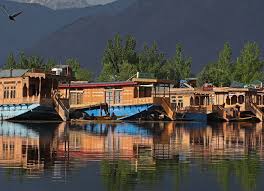
Kashmir’s Houseboats Drift Toward Silence
From royal retreats to fading relics, iconic lake dwellings battle neglect, rigid rules and rising costs
Our Special Correspondent
Srinagar: They once glided gently on the waters of Dal and Nigeen, their carved walnut panels glowing in the afternoon sun, their balconies echoing with the laughter of travellers from across the world. Today, Kashmir’s houseboats — among the most enduring symbols of the Valley’s tourism and cultural identity — are quietly slipping towards extinction.
What was once a thriving floating hospitality industry has been reduced to a fragile survival act? Owners say the crisis is not born of a single policy or season, but of years of accumulated neglect, tightening regulations and an inability to even carry out basic maintenance on ageing structures.
Chairman of the All Kashmir Houseboat Owners Association, Manzoor Pakhtoon, said that even minor repairs have turned into an uphill task for owners struggling to keep their boats afloat.
“There are many reasons behind this decline. Even small repairs like replacing damaged wood or fixing leaks require multiple permissions. By the time approvals come, the damage worsens,” Pakhtoon said, describing the situation as deeply worrying.
Built mostly in the early to mid-20th century, many houseboats now suffer from structural decay. Owners complain that restrictions on timber use, lack of access to affordable credit and absence of a dedicated restoration policy have made preservation nearly impossible. “We are not asking for expansion or new construction. We are only asking to save what already exists,” Pakhtoon said.
The decline of houseboats has also followed the ebb and flow of tourism in Kashmir. Years of instability, followed by long lean seasons, drained owners of savings needed for upkeep. With fewer guests and rising costs, several families dependent on houseboats have been forced to abandon the trade altogether, selling off or dismantling vessels that once hosted diplomats, writers and royalty.
Environmental concerns, while necessary, have further tightened the noose. Owners acknowledge the need to protect lakes but argue that regulations have failed to distinguish between reckless construction and heritage preservation. “If houseboats disappear, a whole chapter of Kashmir’s history disappears with them,” Pakhtoon warned.
Today, many houseboats lie moored in silence, their windows shut, their reflections fading in shrinking waters. For owners, the fear is no longer about profits, but survival — and about whether future generations will know Kashmir’s lakes as living heritage or only as photographs from another time.
Unless urgent steps are taken to allow regulated repairs, financial support and a clear preservation policy, Kashmir’s floating heritage may soon slip beneath the surface, taking with it an irreplaceable piece of the Valley’s soul.
