
Invisible Killers: How Air Pollution Is Undermining Kashmir’s Aquatic Life
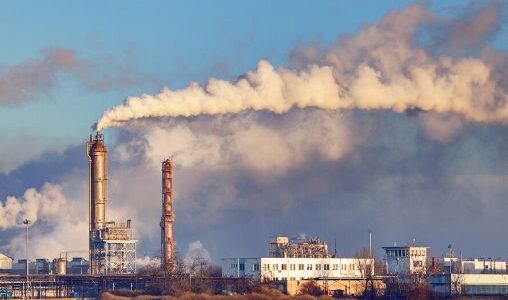
Polluted skies, warming waters & sluggish rivers quietly draining oxygen from lakes, streams
Our Special Correspondent
Srinagar: The real damage to Kashmir’s environment is not always visible in choking smog or darkened skies. Much of it is unfolding silently beneath the surface of rivers, lakes and wetlands, where air pollution is steadily undermining aquatic life through a slow depletion of oxygen.
“When the air remains polluted for weeks, those pollutants do not simply vanish,” says Faizan Arif, climate expert and independent weather forecaster. “They eventually settle into water bodies, altering oxygen balance and stressing fish and other aquatic organisms.”
According to Arif, persistent haze has a direct impact on freshwater ecosystems by reducing sunlight penetration. This limits photosynthesis in algae and aquatic plants—the natural producers of oxygen in rivers, lakes and wetlands. “Reduced sunlight means reduced photosynthesis, and that cuts natural oxygen generation,” he explains.
At the same time, climate change is intensifying the crisis. Rising temperatures are warming Kashmir’s water bodies, and warmer water holds less dissolved oxygen. “It’s a double blow for aquatic life,” Arif says. “Pollution reduces oxygen production, and warming waters reduce oxygen retention.”
Slow-moving rivers during dry spells further worsen the situation. Reduced flow limits natural aeration, while untreated sewage and organic waste consume oxygen as they decompose. In several stretches, rivers are increasingly turning into low-oxygen, suffocating channels rather than life-sustaining systems.
Environmental observers point out that fish deaths are often perceived as sudden events, but in reality they are the final outcome of prolonged stress. “By the time fish start dying, the ecosystem has already been under strain for a long time,” Arif notes. “Kashmir’s aquatic ecosystems are not dying dramatically; they are being starved silently.”
Other experts working on wetland and river conservation in the Valley echo these concerns, warning that declining oxygen levels are also affecting aquatic insects and plankton, the foundation of freshwater food chains. A sustained decline at this level weakens entire ecosystems, even when fish remain visible.
Climate analysts stress that protecting air quality, regulating untreated waste and restoring natural river flow are no longer optional. These measures are essential for safeguarding life beneath the surface. What happens in the air, experts warn, ultimately shapes the fate of Kashmir’s waters.
As pollution, warming temperatures and shrinking flows converge, Kashmir’s rivers and lakes continue to suffer quietly. The killers remain invisible, but their impact is steadily reshaping aquatic ecosystems—one breath of oxygen at a time.
