
Hydropower Potential in JK Remains Untapped as another Harsh Winter Looms
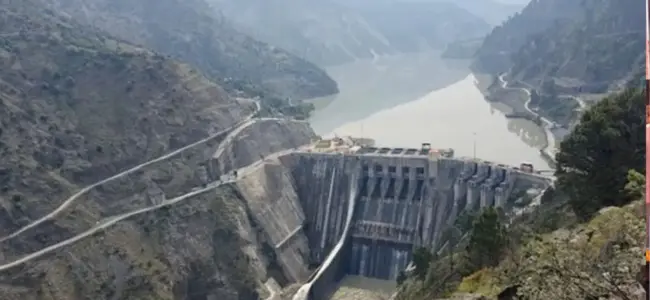
Experts warn of severe energy shortfall as generation dips by 84% amid dry conditions
Srinagar: As Jammu and Kashmir braces for another harsh winter, energy experts and officials are raising alarms over the region’s failure to harness its vast hydropower potential. Despite possessing an estimated hydroelectric capacity of nearly 18,000 megawatts (MW), only about 3,540 MW—a mere 23 percent—has been tapped so far, leaving the Union Territory heavily dependent on power imports from other states.
According to the Power Development Department (PDD), the region’s local hydropower generation has dropped drastically in recent years due to erratic snowfall and reduced water inflows.
“In winters, local hydro power generation from Jammu and Kashmir’s power plants has reduced by almost 90 percent,” said a senior PDD official.
“To meet the required power demand, we rely on coal-based and solar power procured from outside the UT,” he added.
Data shows that during the peak winter months, hydropower generation in Jammu and Kashmir dips by as much as 84 percent, pushing the administration to purchase costly electricity from northern grids. The official added that around 85–90 percent of J&K’s power supply during winters now comes from thermal and solar energy sources outside the region.
Experts attribute the decline to climate change and poor infrastructure development. “Over time, we have struggled to generate the usual power levels due to decreased water availability,” said a hydrology expert based in Srinagar.
“The period of snowmelt that feeds our rivers is shrinking, which directly affects turbine output,” he added.
Javed Ahmad Rana, Minister for Jal Shakti, recently reiterated that while Jammu and Kashmir’s hydropower potential is immense, progress has been slow. “Out of the identified potential of around 14,867 MW, only 3,540 MW has been harnessed till date,” he said, urging private and public sector collaboration to accelerate pending projects.
Energy economist Dr. Irfan Baba said the region’s overreliance on external power purchases reflects “a systemic policy failure.” He explained, “Hydropower should have been J&K’s backbone economy. Instead, we are spending thousands of crores annually to buy power that we could easily generate locally if long-delayed projects like Ratle, Sawalkote, and Kirthai-II were operational.”
An environmental analyst, wishing not to be named, emphasised the need for sustainable planning: “While expanding hydro capacity is crucial, J&K must ensure that new projects are climate-resilient and environmentally sensitive. Glacial retreat, reduced snowpack, and sedimentation are already threatening older projects, and we need adaptive designs to secure long-term generation.”
Officials believe that unlocking this potential could make J&K energy self-sufficient and even a power exporter. However, environmental clearances, financing hurdles, and inter-state water agreements continue to delay execution.
With temperatures already dipping across the Valley and prolonged dry weather cutting river discharge, the power situation is expected to worsen. Unless hydropower development is fast-tracked, experts warn, Jammu and Kashmir will remain trapped in a cycle of energy deficits and winter blackouts for years to come.
